Research & Education
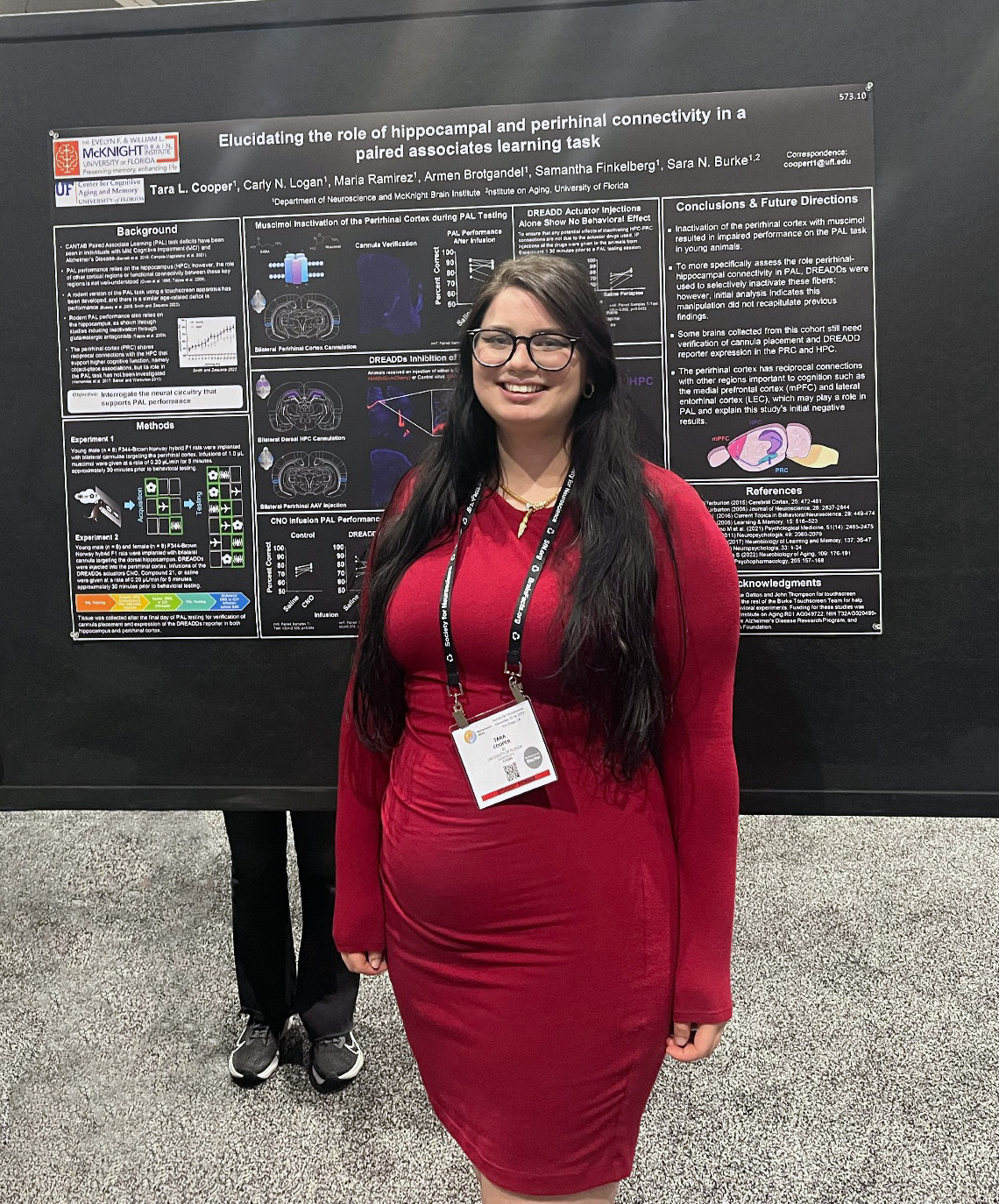
Since my academic training began, my main scientific focus has been neural circuits related to learning and memory, and I have developed a particular interest in how these cognitive functions are affected by neurodegeneration associated with both normal and pathological aging, namely Alzheimer’s Disease and dementia. My scientific career began as an undergraduate research assistant in the behavrioal neuroscience lab of Dr. William Schreiber at Washington & Lee University, studying olfactory memory in ants. I built upon this foundation as a summer intern and later graduate student in Dr. Sara burke’s lab at the University of Florida by evaluating age-related memory deficits in a rodent model. My work in Dr. Burke’s lab in 2018 prior to graduate school assisted in discovering an unexpected reaction to muscimol infusion, typically used to inactivate cortical regions, which in the CA3 of the hippocampus leads ot hyperexcitation. This study bolstered my interest in CA3 regulation and dentate gyrus activity, specifically in the aged hippocampus. My graduate project therefore focused on age-related alterations in hippocampal activity with a particular focus on the dentate gyrus as well as developing a strategy to mitigate associated deficits in learning and memory. The therapeutic method I developed was inspired by the correlations between Type 2 Diabetes and Alzheimer’s Disease, and it improved cognitive performance in a rodent model by facilitating metabolic flexibility through weekly diet changes between a low-carbohydrate high-fat ketogenic and high-carbohydrate diet.