
white neuron icon

Tara Cooper, Ph.D.

Teaching & Outreach

My Goal as an Educator

To foster critical thinking, curiosity, and inclusivity in the classroom by centering an interdisciplinary perspective. Through mentorship and leadership, I am committed to empowering students to become lifelong learners, critical thinkers, and leaders in their respective fields.

A comprehensive understanding of the sciences requires an interdisciplinary approach, integrating cultural and historical context of scientific discovery to foster critical thinking and curiosity. By exploring the relevant context of scientific discoveries, students gain insight into the iterative nature of scientific inquiry and the social, cultural, and ethical dimensions that shape scientific understanding. I aim to cultivate a dynamic learning environment where students students not only learn the “what” of science but also the “how” and “why.”

I am committed to incorporating diverse perspectives into my teaching, recognizing that scientific knowledge is enriched by the contributions of individuals from varied backgrounds and experiences. In my courses, students will be encouraged to critically evaluate scientific literature, engage in discussions, and pursue independent research projects and presentations that reflect their unique interests and perspectives. By fostering an inclusive learning environment, I aim to empower students to become active participants in both the scientific and their local communities.

I strive for each lecture to create a captivating narrative that goes beyond the molecules and theories, encompassing the stories of the people and places behind the discoveries. By contextualizing scientific knowledge within a broader historical and social framework, I aim to humanize the scientific endeavor, making it relatable and inspiring to students. My goal is to deliver all crucial facts and details necessary while also fostering a sense of connection and curiosity that transcends the classroom. Furthermore, I recognize the importance of breaking the monotony by incorporating interactive elements such as planned points for discussion, group activities, and multimedia resources. These opportunities for engagement not only enhance learning retention but also encourage active participation and critical thinking among students.

I am eager to teach introductory courses in biology and neuroscience as well as advanced courses in these fields such as Animal Behavior, Learning & Memory, Evolutionary Biology, Microbiomes, Neuropharmacology, and Neuroanatomy. Additionally, I would be excited to share my expansive base of knowledge in statistical analysis with undergraduate students through teaching courses using R/R-Studio or SPSS. My teaching interests are deeply rooted in the transformative impact that my undergraduate courses and professors had on shaping my own career trajectory. These foundational experiences solidified my passion for and sense of wonder about the complexities of life and the brain. Now, as an educator myself, I wish to channel my enthusiasm and knowledge of these subjects to inspire students at the outset of their academic journey by contributing my skills to a primary undergraduate institution. I aim to create a supportive learning environment where students can develop a solid understanding of fundamental principles while nurturing their curiosity and igniting their interest in pursuing further study and exploration in the biological and neurological sciences.

Mentorship & Outreach

My mentees in the lab inspired and challenged me each day, and they were each crucial to the quality and care of experimentation. I am grateful for the opportunity to guide students through the early stages of their scientific careers and see their learning in real time.

Additionally, it is incredibly important to me to stay connected to my community outside of my current institution and academia. Therefore, I frequently participated in volunteer-led programming such as Brain Awareness Week and the Brain Bee in Alachua County during graduate school and recently organized a neuroscience craft event for all ages hosted by the local library upon returning to Virginia after my Ph.D.

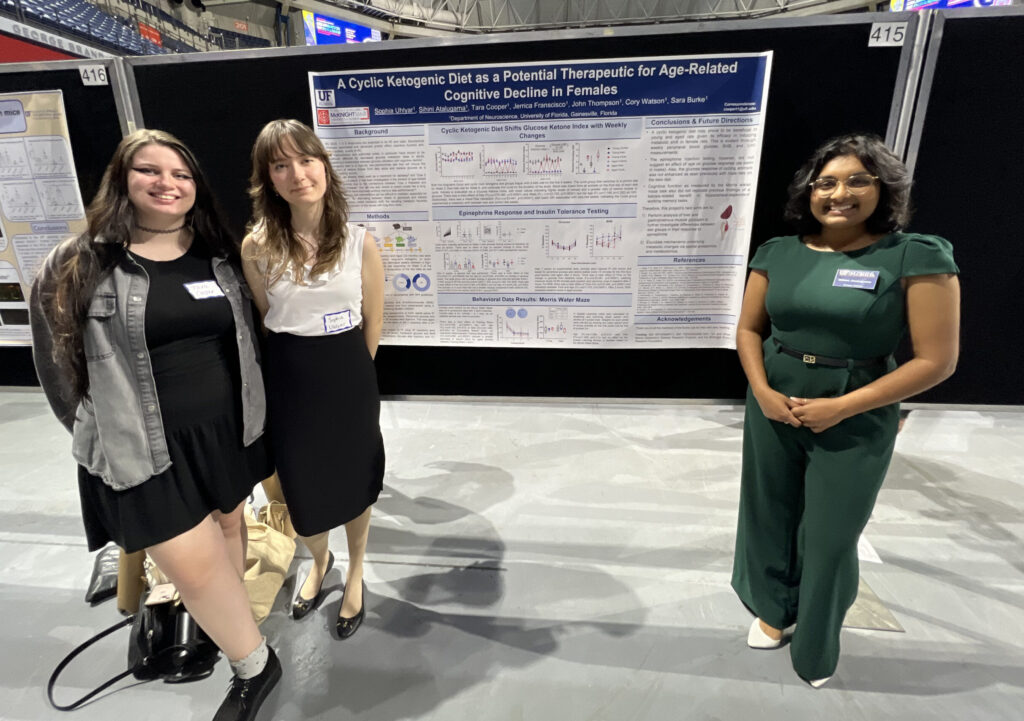
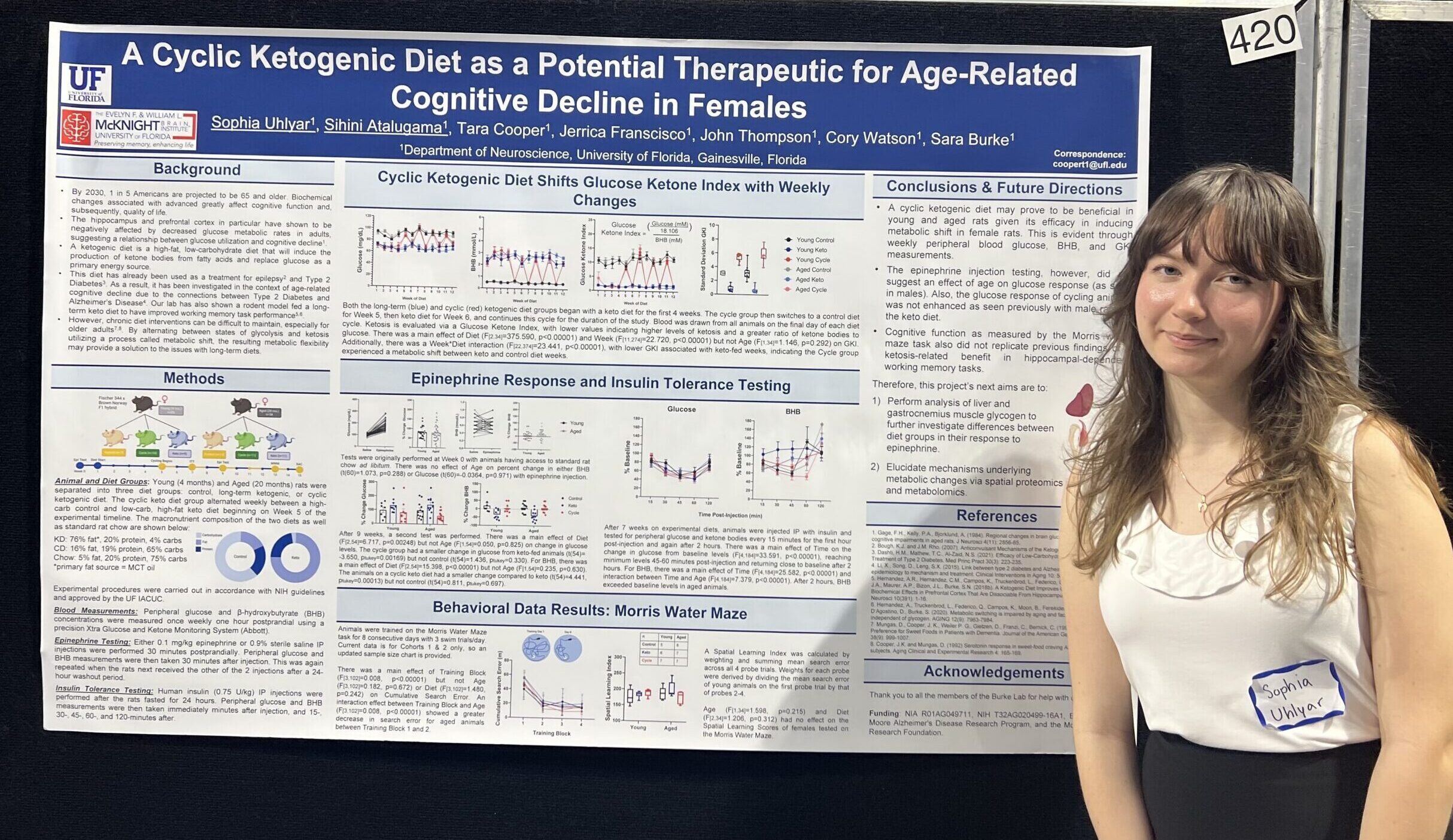
Undergraduate mentee Sophia Uhlyar, who won 3rd place with her presentation in the North Central Florida Chapter of the Society for Neuroscience poster competition.
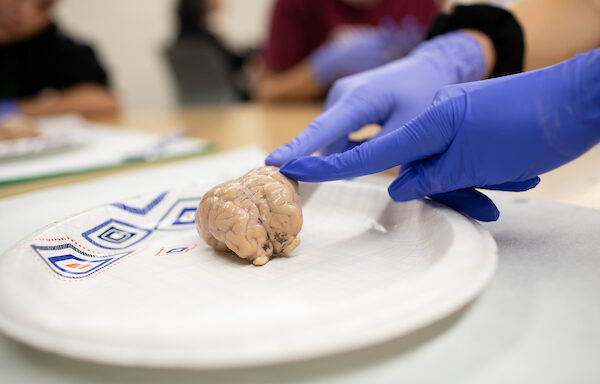
Led high school students through an introduction of neuroanatomy accompanied by an opportunity to touch and dissect a sheep brain to identify newly learned regions.
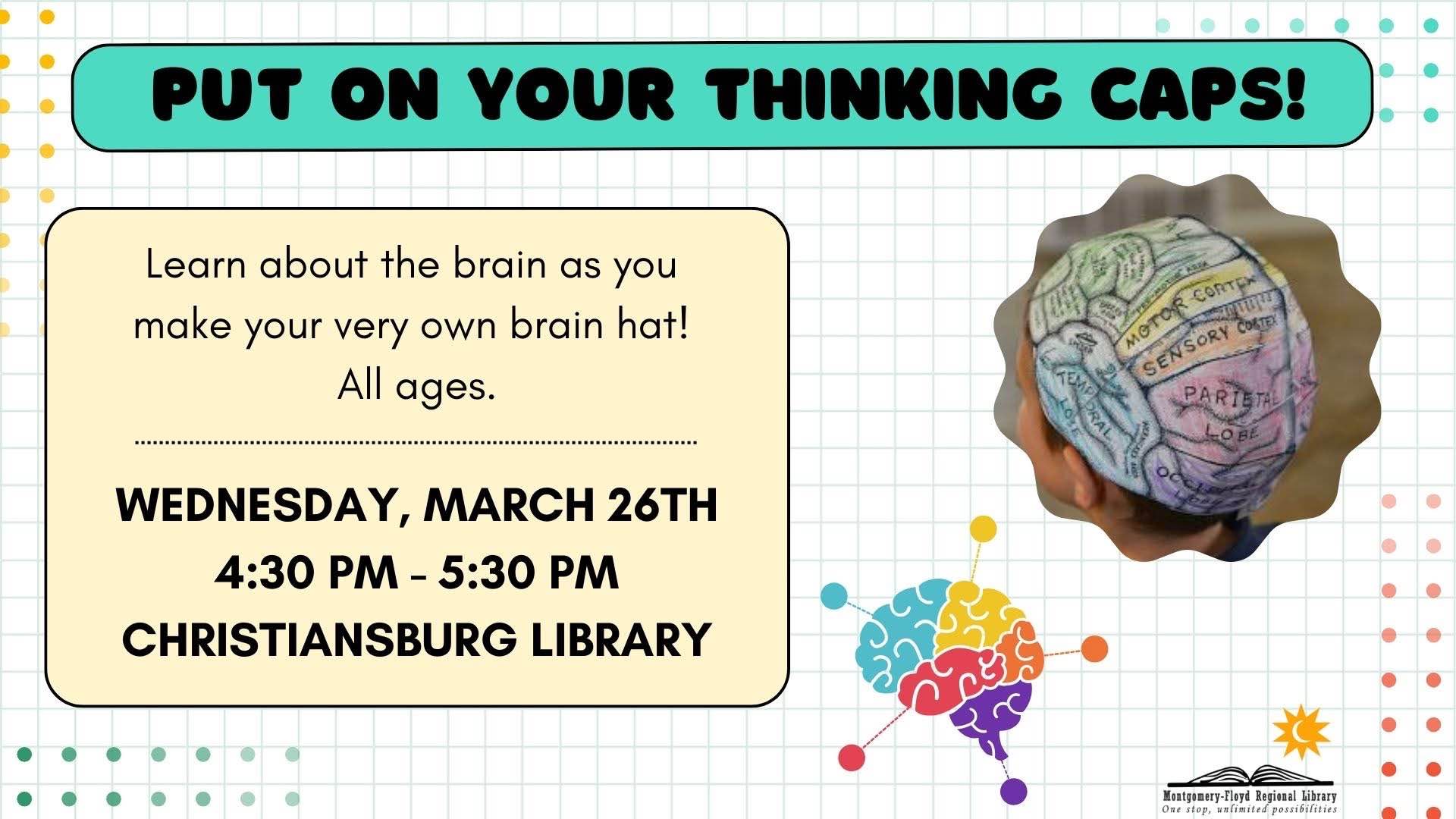
Working with the Montgomery-Floyd Regional Library system, I organized an all-ages, hour-long program to teach basic facts about key parts of the brain and craft "brain hats" to identify these regions on one's own head.